
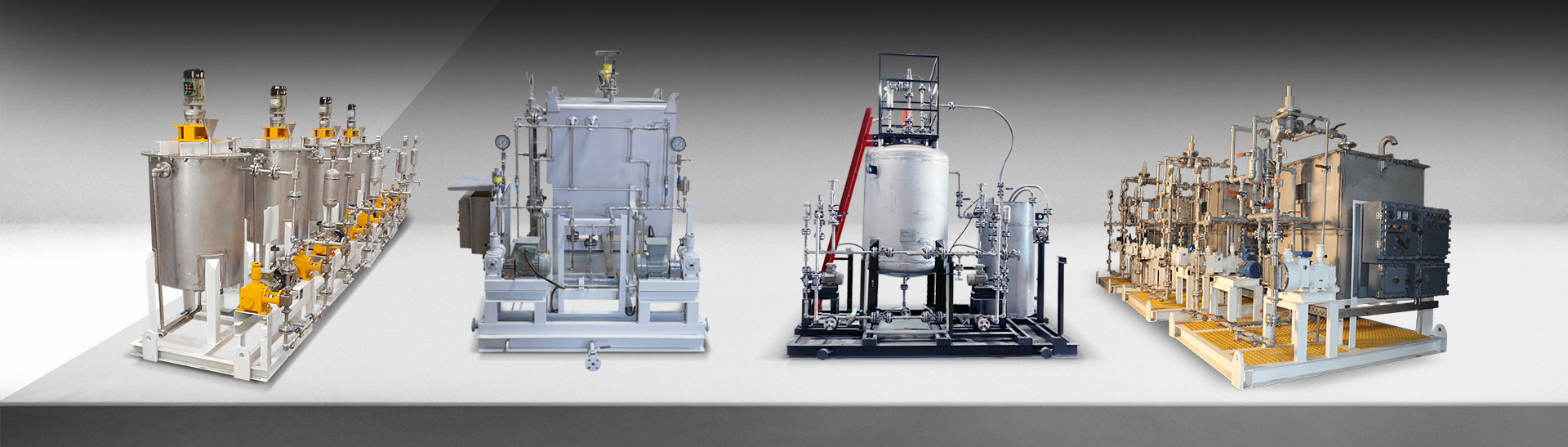
Dosing systems, often operating behind the scenes, play a pivotal role across numerous industries and applications. From ensuring the precise delivery of medications in healthcare to maintaining the optimal concentration of chemicals in industrial processes, these systems are vital for achieving accuracy, efficiency, and safety. This comprehensive guide delves into the world of dosing systems, exploring their importance, various types, and applications across different sectors.
What is a Dosing System?
A dosing system (DS) is an integrated package that measures, prepares, and injects a precise quantity of chemical into a process stream. Dosing systems handle other media types too, including gases and solids. They operate continuously or in batches. Built-in controls keep the dose accurate as conditions change.
Why Dosing Systems Matter
Dosing systems are critical in 3 key areas: Accuracy, Efficiency, and Safety.
| Area | What It Means | Example |
|---|---|---|
| Accuracy | Precise dosing prevents harmful deviations | Wrong dose in pharma produces ineffective or dangerous medications |
| Efficiency | Automation reduces manual work and human error | Continuous dosing replaces repeated manual chemical additions |
| Safety | Built-in features prevent overdosing and underdosing | Alarms and interlocks protect operators and the environment |
Each area builds on the other. Accuracy without safety features is incomplete. Safety without efficiency creates operational bottlenecks. A well-designed DS addresses all 3 together.
How a Dosing System Works
A dosing system follows 5 steps: measurement, control, delivery, monitoring, and safety response.
- Measure the substance using volumetric or gravimetric methods. Volumetric systems measure volume. Gravimetric systems measure weight.
- Control the flow rate using pumps, valves, or similar mechanisms. Control ensures the correct dosage is delivered at the right time.
- Deliver the dosed substance to the target process using pipes, nozzles, or other means. Choose the delivery method based on the application and the nature of the substance.
- Monitor the dosing process using sensors and feedback mechanisms. Monitoring adjusts the dosing rate when the concentration deviates.
- Activate safety features such as alarms, interlocks, and leak detection to prevent overdosing, underdosing, or spills.
These 5 steps work as a loop, not a one-time sequence. The system continuously measures, adjusts, and responds in real time.
Worked Example: NaOCl Dosed into Raw Water
Goal: Maintain 2 ppm available chlorine in a 150 m³/h line using 12% w/w NaOCl (approximately 120 g Cl₂/L).
| Step | Calculation | Result |
|---|---|---|
| Required active Cl₂ | 2 g/m³ × 150 m³/h | 300 g/h |
| Required NaOCl volume | 300 g/h ÷ 120 g/L | ~2.5 L/h |
| Pump rated capacity (5× headroom) | 2.5 L/h × 5 | ~12.5 L/h |
After sizing the pump, configure a back-pressure valve at approximately 2 bar. Consider adding a degassing head to handle NaOCl off-gassing. Run flow-paced dosing so pump pulses stay proportional to the main flowmeter, especially if plant flow varies.
Architecting a Dosing System
Designing a dosing system involves 3 layers of decisions: measurement method, pump technology, and operating mode. Getting these right from the start saves significant rework later.
A) Measurement Methods
There are 2 measurement methods: volumetric and gravimetric.
| Method | Principle | Best Used When |
|---|---|---|
| Volumetric | Flow/time based, stroke length/frequency, or flow-paced to plant flowmeter | Substance density is stable and consistent |
| Gravimetric | Mass-based via load cells | Media is viscous, aerated, or requires very high accuracy |
These are methods, not pump types. They sit above the hardware choice. Confusing the two is a common terminology mistake worth avoiding early.
B) Pump Technologies
There are 4 main pump technologies to choose from: diaphragm, plunger, peristaltic, and gear or progressive cavity.
| Pump Type | Key Strength | Watch Out For |
|---|---|---|
| Diaphragm (mechanical or hydraulic) | Broad chemical compatibility, high pressure, API 675 rated | Diaphragm wear over time |
| Plunger/packed plunger | Very high pressure capability | Requires regular sealing and repairs |
| Peristaltic | Great for off-gassing or abrasive media, simple wet end | Tube wear with continuous use |
| Gear/progressive cavity (PC) | Handles viscous media, supports variable loads and closed-loop control | Shear sensitivity with certain media |
Selecting the right pump technology depends on the substance properties, operating pressure, and required control precision.
C) Operating Modes
There are 3 operating modes: continuous, batch or shot, and closed-loop PID.
| Mode | How It Works | Typical Use Case |
|---|---|---|
| Continuous | Dose tracks process flow or analyzer signal | Water treatment, pipeline injection |
| Batch/shot | Timed or triggered additions to tanks | Tank blending, pH correction batches |
| Closed-loop PID | Controller trims pump output from pH, ORP, conductivity, or flow feedback | Processes needing tight real-time correction |
Real-world packages include suction assemblies, relief and back-pressure valves, pulsation dampers, injection quills, strainers, and degassing heads where needed. These accessories are not optional extras. They are integral to system performance.
6 Types of Dosing Systems
Dosing systems come in 6 main types. Each type suits a different combination of substance, flow requirement, and precision level.
- Volumetric dosing systems measure and deliver substances by volume. These systems suit liquids well and are relatively simple and cost-effective.
- Gravimetric dosing systems measure and deliver substances by weight. Gravimetric systems offer greater accuracy than volumetric ones, especially for substances with variable density.
- Peristaltic dosing systems use a peristaltic pump to deliver precise amounts of fluid. These systems are ideal for low flow rates and high-accuracy applications, including laboratory settings and medical devices.
- Metering dosing systems use a metering pump to deliver a specific volume of fluid per stroke. Metering systems are common in industrial applications where precise dosing is critical.
- Batch dosing systems deliver a pre-determined amount of substance in a single batch. These systems suit applications where continuous dosing is not required.
- Continuous dosing systems deliver a substance at a controlled, uninterrupted rate. These systems suit processes where maintaining a constant concentration is important.
| System Type | Measurement Basis | Best Application Fit |
|---|---|---|
| Volumetric | Volume | General liquid dosing |
| Gravimetric | Weight | Variable-density substances |
| Peristaltic | Pump tube displacement | Lab, medical, low-flow |
| Metering | Strokes per volume | Industrial precision dosing |
| Batch | Pre-set quantity | Non-continuous processes |
| Continuous | Controlled flow rate | Constant-concentration processes |
9 Applications of Dosing Systems
Dosing systems serve 9 major industries. Each application comes with its own substance types, dosing requirements, and consequence of error.
1. Water Treatment
Dosing systems add chemicals such as chlorine, coagulants, and flocculants to water treatment plants. These chemicals disinfect water, remove impurities, and adjust pH levels. The result is safe and potable water delivered to end users.
2. Wastewater Treatment
Dosing systems add chemicals that break down organic matter, neutralize acidity, and remove pollutants in wastewater treatment plants. This process treats wastewater before it re-enters the environment, reducing ecological harm.
3. Chemical Processing
Dosing systems add reactants, catalysts, and other chemicals to reactors and process vessels in chemical processing industries. Precise dosing ensures product quality, controls reaction rates, and optimizes yields. Even small deviations can waste significant raw material or damage downstream equipment.
4. Food and Beverage Industry
Dosing systems add ingredients such as flavors, colors, preservatives, and nutrients to products in the food and beverage industry. Accurate dosing maintains product consistency, taste, and safety across large production volumes.
5. Pharmaceutical Industry
Dosing systems add active ingredients, excipients, and other components to formulations in pharmaceutical manufacturing. Precise dosing ensures the efficacy and safety of medications. Regulatory standards in this industry make accuracy non-negotiable.
6. Agriculture
Dosing systems apply fertilizers, pesticides, and other chemicals to crops in agriculture. These systems optimize crop yields, control pests and diseases, and support food security at scale.
7. Swimming Pools and Spas
Dosing systems add chemicals such as chlorine, pH adjusters, and algaecides to swimming pools and spas. These chemicals maintain water hygiene, prevent algae growth, and ensure a safe and enjoyable experience for users.
8. Oil and Gas
Dosing systems inject chemicals such as corrosion inhibitors, scale inhibitors, and biocides into pipelines and production wells in the oil and gas industry. These chemicals prevent corrosion, scale buildup, and microbial growth. Preventing these issues protects production efficiency and asset integrity over the long term.
9. Power Plants
Dosing systems add chemicals like oxygen scavengers, pH control agents, and biocides to boiler feedwater and cooling water systems in power plants. These chemicals maintain water quality, prevent corrosion and scaling, and control microbial growth, ensuring efficient and reliable plant operation.
| Industry | Chemicals Dosed | Primary Goal |
|---|---|---|
| Water Treatment | Chlorine, coagulants, flocculants | Safe potable water |
| Wastewater Treatment | Neutralizers, oxidants, polymers | Environmental protection |
| Chemical Processing | Reactants, catalysts | Yield and quality control |
| Food and Beverage | Flavors, preservatives, nutrients | Consistency and safety |
| Pharmaceutical | Active ingredients, excipients | Efficacy and regulatory compliance |
| Agriculture | Fertilizers, pesticides | Yield optimization |
| Swimming Pools/Spas | Chlorine, pH adjusters, algaecides | Hygiene and user safety |
| Oil and Gas | Corrosion inhibitors, biocides | Asset protection |
| Power Plants | Oxygen scavengers, pH agents | Equipment reliability |
6 Factors to Consider When Choosing a Dosing System
Choosing the right dosing system takes more than matching a pump to a substance. 6 factors shape the decision, and each one interacts with the others.
- Type of substance — The nature of the substance, whether liquid, gas, or solid, directly influences the system choice. Abrasive or off-gassing substances, for example, need peristaltic or diaphragm pumps.
- Dosage accuracy — High-precision applications require gravimetric or metering systems. Lower-precision applications can use simpler volumetric setups.
- Flow rate — The desired flow rate determines pump selection and component sizing. A pump sized too small creates dosing gaps. A pump sized too large wastes chemical and makes fine control difficult.
- Control and automation — Some applications need simple manual control. Others require automation with data logging and remote monitoring. Define the control requirement before selecting hardware.
- Safety — Choose systems with alarms, interlocks, and leak detection, especially for hazardous substances. Factor in local regulatory requirements as part of the safety evaluation.
- Maintenance — Factor in ease of maintenance and availability of spare parts. A system that is hard to service creates unplanned downtime and higher total cost of ownership.
| Factor | Low Complexity Need | High Complexity Need |
|---|---|---|
| Substance type | Non-hazardous liquids | Abrasive, corrosive, or off-gassing media |
| Dosage accuracy | General industrial | Pharmaceutical, lab, food production |
| Flow rate | Fixed, predictable flow | Variable or high-turndown flow |
| Control level | Manual adjustment | Automated PID with remote monitoring |
| Safety | Basic leak detection | Full interlock and alarm systems |
| Maintenance | Standard spare parts | Specialized components with support contracts |
Future Trends in Dosing Systems
Dosing systems are evolving across 4 main directions: intelligence, connectivity, miniaturization, and sustainability. These trends are already shaping new product development and will define the next generation of DS installations.
- Smart dosing systems integrate sensors, data analytics, and artificial intelligence. Smart dosing systems self-adjust based on real-time conditions, optimize performance, and predict maintenance needs before failures occur.
- Wireless connectivity enables remote monitoring and control of dosing systems. Wireless-enabled systems improve accessibility and operational efficiency, especially across multi-site or remote installations.
- Miniaturization advances through microfluidics and nanotechnology. Miniaturization opens new possibilities in point-of-care diagnostics and personalized medicine, where compact and portable dosing is essential.
- Sustainability drives development toward systems that minimize waste, reduce energy consumption, and use eco-friendly materials. Sustainability pressures from regulations and corporate goals are accelerating this shift.
Ready to take your dosing processes to the next level?
Verito Engineering Pvt Ltd specializes in designing and manufacturing cutting-edge dosing systems tailored to your specific needs. Contact us today to explore how we can help you achieve accuracy, efficiency, and safety in your operations.
FAQ
Q1. What is the difference between volumetric and gravimetric dosing?
Volumetric dosing meters by volume using stroke, frequency, time, or flow-paced methods. Gravimetric dosing uses weight via load cells, suited for stable, viscous, or aerated media.
Q2. How do I size the pump quickly?
Convert target ppm × line flow to mass per hour. Divide by active concentration to get L/h. Apply 3 to 5 times headroom for turndown and off-gassing. Then check discharge pressure and accessories, including back-pressure valves, relief valves, and dampers.
Q3. What accessories are mandatory?
At minimum, include a calibration column, back-pressure valve, relief line to tank, injection quill, isolation valves, and gauges. Consider a pulsation damper and degassing head for NaOCl applications.
Q4. What if line pressure fluctuates?
Use a back-pressure valve. Run closed-loop control, either flow-paced or analyzer-paced, to stabilize the dose.
Q5. Which standard covers metering pumps?
API 675 is widely referenced for controlled-volume metering pumps. Several OEMs publish digital dosing specifications covering accuracy and turndown performance.