
What is Flow Rate?
Flow rate measures the volume of liquid or chemical delivered per unit of time. Standard units include liters per hour (L/h), gallons per minute (GPM), or milliliters per minute (mL/min). Getting flow rate right ensures the correct chemical amount reaches the system—neither under-dosed nor over-dosed.
What is a Chemical Dosing Pump?
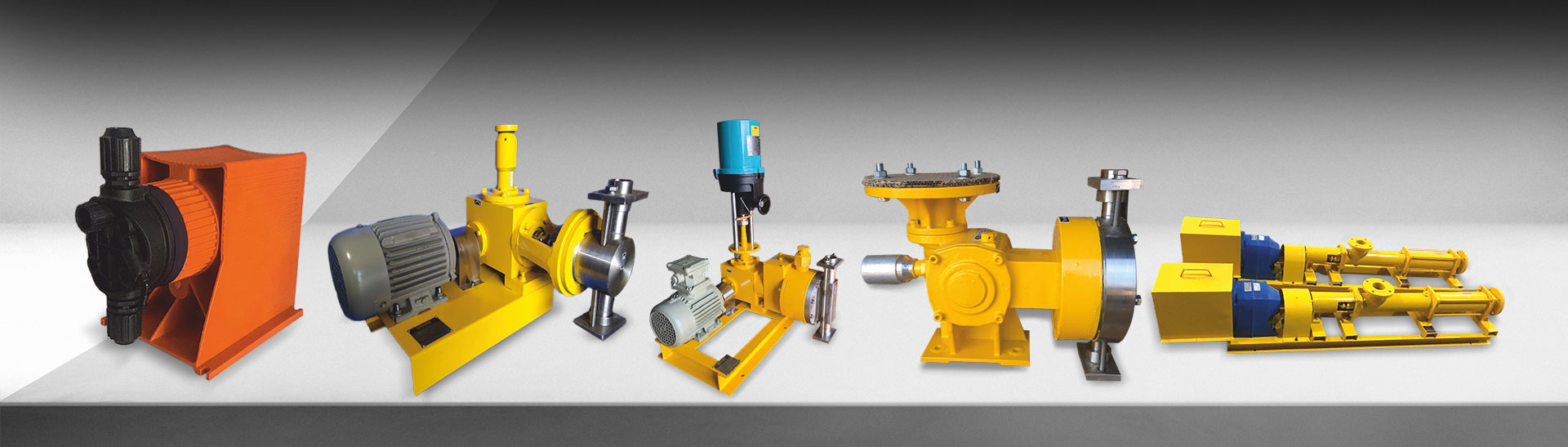
A chemical dosing pump is an automatic chemical delivery device with 4 core components: a pump body, driving mechanism, control system, and liquid container. These pumps work by precisely controlling pump speed and cycle time to inject specific chemical amounts into a liquid stream. This regulates water quality, pH balance, turbidity, disinfection, sterilization, and other critical parameters.
Why Accurate Flow Rate Matters
Accurate flow rate calculation delivers three immediate benefits.
First, it maintains chemical balance for optimal system performance.
Secondly, it minimizes chemical waste and cuts costs.
Thirdly, it ensures regulatory compliance and prevents safety risks in regulated industries like pharmaceuticals and water treatment.
An undersized pump fails to meet treatment targets. An oversized pump causes waste, unstable control, and potential safety incidents. Proper sizing prevents these problems.
The Dosage Formula
The standard formula for chemical dosing pumps calculates required flow in ml/min. Use this calculation:
Dosage (ml/min) = Water Flow (m³/h) × Concentration (mg/L) ÷ 1000
Where:
- Water flow rate = cubic meters per hour (m³/h)
- Concentration = milligrams per liter (mg/L) of active ingredient needed
- 1000 = conversion factor
How to Apply the Formula
First, identify your system’s incoming water flow rate in m³/h. Secondly, determine the target chemical concentration in mg/L based on your application. Thirdly, multiply these values. Finally, divide by 1000 to convert to ml/min.
Example Calculation
A water treatment system processes 10 m³/h and requires 5 mg/L of chlorine dosing.
Calculation:
- Dosage = 10 × 5 ÷ 1000
- Dosage = 50 ÷ 1000
- Dosage = 0.05 ml/min
This means the pump must deliver 0.05 ml/min of the chlorine solution. If using a concentrated chlorine at 5% active ingredient, adjust further using the concentration factor explained below.
Step-by-Step Calculation of Flow Rate for Dosing Pumps
Step 1: Determine Your Chemical Requirement
Identify how much active chemical (in grams or liters) the system needs daily or hourly. This depends on your application type and target concentration.
Example: A water treatment system needs to add 10 ppm (parts per million) of chlorine to maintain disinfection. The system processes 100 cubic meters daily.
Step 2: Calculate System Volume
Measure the total volume of liquid receiving the chemical. Record this in gallons or liters—this number anchors all subsequent calculations.
Example: The treatment tank holds 100,000 liters total volume.
Step 3: Distinguish Solution Concentration from Active Ingredient
This is where most calculations fail. Your chemical product concentration differs from the active ingredient concentration you need. If your product is 5% chlorine and you need 10 ppm active chlorine, calculate both values separately.
Example Distinction:
- You need: 10 ppm active chlorine (0.01 mg/L)
- You have: 5% sodium hypochlorite solution
- These are different concentrations requiring separate calculations
Step 4: Apply the Primary Dosing Formula
Use the formula above with your verified concentration values. Check that you’re using active ingredient percentage, not product percentage.
Example Application:
- System flow: 10 m³/h
- Target concentration: 2 mg/L active chlorine
- Calculation: 10 × 2 ÷ 1000 = 0.02 ml/min
Step 5: Account for Product Concentration Adjustment
If your chemical product is less than 100% active, adjust the flow rate upward to compensate.
Adjustment Formula: Adjusted Flow = Base Flow ÷ Product Concentration Percentage
Example:
- Base flow calculated: 0.02 ml/min of pure chlorine
- Your product: 5% sodium hypochlorite
- Adjusted flow: 0.02 ÷ 0.05 = 0.4 ml/min of the 5% solution
Step 6: Apply System Pressure Compensation
Check your pump’s performance curve—this graph shows how output changes with system pressure. Dosing pumps deliver maximum flow at low pressure and reduced flow at high pressure.
Example: Your pump rated 1 L/h at 0 bar (atmospheric) delivers only 0.8 L/h at 5 bar pressure. Recalculate your required pump size using the reduced-flow specification.
6 Critical Factors Affecting Flow Rate Calculations
Before calculating flow rate, understand 6 factors that influence your result:
- Chemical Concentration: The percentage of active ingredients in your chemical changes the required flow rate. A 5% solution requires different dosing than a 10% solution of the same chemical.
- System Volume: The total liquid volume being treated determines the chemical amount needed per cycle. Treating a 10,000-liter tank differs from treating 100,000 liters.
- System Pressure: Higher pressures reduce actual pump output. Pump performance curves show how pressure affects delivery rate—critical for calculating real-world performance.
- Fluid Properties: Viscosity, density, and chemical compatibility affect flow rate. Thicker liquids move slower through the same pump than thin liquids.
- Desired Dosing Frequency: Continuous dosing requires different flow rates than intermittent dosing. A system dosed 24/7 needs lower per-cycle rates than one dosed 2 hours daily.
- Feed Tank Height and Suction Conditions: Suction lift above the pump inlet reduces pump capacity. Proper suction line design preserves maximum flow capability.
Typical Chemical Dosing Applications and Ranges
Different applications require different dosing concentrations. This table shows standard ranges for common water treatment chemicals:
| Application | Active Ingredient | Typical Dosage Range | Notes |
|---|---|---|---|
| Chlorination (disinfection) | Chlorine (Cl₂) or NaOCl | 1–10 mg/L | Varies by water quality and residual target |
| pH Adjustment (acid) | Hydrochloric acid (HCl) | Application-dependent | Adjust per target pH measurement |
| pH Adjustment (alkali) | Sodium hydroxide (NaOH) | Application-dependent | Control dosing carefully for stability |
| Coagulation | Polyaluminum chloride (PAC) | 10–200 mg/L | Depends on turbidity and source water |
| Flocculation | Polyacrylamide (PAM) | 0.5–5 mg/L | Add after coagulant settling |
| RO antiscalant | Proprietary polymer | 2–6 mg/L | Protects reverse osmosis membranes |
| Corrosion inhibitor | Phosphate compounds | 1–3 mg/L | Protects pipe materials |
| Algae control | Copper sulfate or biocide | 0.5–2 mg/L | Use minimal effective dose |
After consulting this table, verify your specific requirements with product datasheets and regulatory standards.
Pump Type Selection and Performance Characteristics
Different pump types deliver different flow characteristics. Selecting the right type ensures your calculated flow rate is achievable.
Piston Pumps (Plunger Pumps)
Piston pumps use reciprocating plunger motion inside a barrel to draw in and discharge chemicals. Piston pumps deliver high pressure, high precision, and flow stability, making them suitable for applications requiring exact dosing control. These pumps cost more initially but provide superior accuracy. Use piston pumps when chemical costs are high or regulatory requirements are strict.
Performance: Flow range 0.1–100+ L/h. Pressure capability up to 250+ bar.
Diaphragm Pumps (Solenoid and Mechanical)
Diaphragm pumps move a flexible membrane up and down to create suction and discharge cycles. Diaphragm pumps offer excellent sealing and corrosion resistance for diverse chemicals. They handle most water treatment chemicals safely. Solenoid-driven models pulse on/off while mechanical models create continuous flow.
Performance: Flow range 0.01–10 L/h. Pressure capability up to 30 bar. Good for low-viscosity chemicals.
Peristaltic Pumps
Peristaltic pumps push liquid along a flexible hose by rotating rollers or a squeeze plate. Peristaltic pumps feature simple design, compact footprint, and easy maintenance. They suit low-flow, high-precision applications. No chemical contacts pump internals, improving compatibility.
Performance: Flow range 0.001–5 L/h. Pressure capability up to 10 bar. Ideal for viscous liquids.
Gear Pumps
Gear pumps inhale and discharge chemical through rotating gear mesh. Gear pumps produce smooth, stable pressure and consistent flow rates, suitable for high-flow requirements. They handle higher viscosity fluids better than diaphragm models.
Performance: Flow range 1–500+ L/h. Pressure capability up to 100+ bar. Requires clean fluids.
Safety Factor and Pump Capacity Sizing
Never select a pump based only on calculated flow—apply a safety multiplier. This protects against pressure variations, wear over time, and flow margin for fine adjustment.
Recommended Sizing Guidelines
First, calculate your actual required flow using the formulas above. Secondly, multiply this flow by 1.2 (add 20% capacity margin). Thirdly, select a pump rated at or above this 1.2× flow value.
Example:
- Calculated requirement: 5 L/h
- Multiplied by safety factor: 5 × 1.2 = 6 L/h
- Select pump rated: 6+ L/h minimum
Operating Range for Best Control
Keep normal operation between 30–80% of pump maximum capacity. This range provides accuracy and reduces mechanical stress. Operating below 30% causes pulsation and control errors. Operating above 80% stresses seals and shortens pump life.
Example: If your pump is rated 10 L/h, operate it between 3–8 L/h for optimal control and longevity.
Pressure Compatibility Check
Verify 3 additional specifications before purchasing:
- Material compatibility: Confirm pump materials resist your chemical (stainless steel, Teflon, etc.)
- Pressure rating: Ensure pump rated for your system’s maximum operating pressure
- Suction conditions: Check maximum suction lift requirement vs. your feed tank location
Calibration and Maintenance Procedures
Proper calibration and maintenance preserve accuracy over months and years of operation.
Calibration Process
Firstly, establish a baseline by operating the pump into a graduated cylinder or measuring container for exactly 1 minute. Secondly, measure the collected liquid volume—this is your actual flow rate. Thirdly, compare measured flow to your specification. Fourthly, adjust pump stroke or speed if flow deviates more than 5% from target.
Calibration frequency: Perform calibration monthly during initial operation, then quarterly once stable. Recalibrate immediately if you notice performance changes.
Calibration tools: Use a calibration column (vertical graduated tube) for visual measurement or electronic flow meters for precision.
Maintenance Schedule
Monthly maintenance:
- Inspect pump body and connections for leaks
- Listen for unusual noises or vibration patterns
- Check chemical level in feed tank
Quarterly maintenance:
- Clean pump exterior and intake strainers
- Verify electrical connections remain tight
- Test pump for proper pressure buildup
Semi-annual maintenance:
- Inspect seals and gaskets for damage
- Replace inlet/outlet check valves if leaking
- Lubricate bearings per manufacturer specifications
- Clean feed tank interior and remove sediment
Annual maintenance:
- Replace complete seals kit (if pump design allows)
- Pressure-test discharge line for leaks
- Clean and inspect all tubing and fittings
- Perform full calibration verification
Maintenance Prevents Failure
Regular maintenance extends pump life by 3–5 years compared to unmaintained equipment. Preventive maintenance costs far less than emergency replacement. Plan maintenance tasks during low-demand seasons or scheduled shutdowns.
Common Calculation Mistakes to Avoid
Understanding common errors prevents expensive mistakes in system design and operation.
Mistake 1: Confusing Solution Dosage with Active Ingredient Dosage
Many calculations mix product concentration and active ingredient percentage. A 5% chlorine solution is not the same as 5% active chlorine in water. Distinguish these clearly—calculate active ingredient dosage first, then adjust for product concentration.
How to avoid: Always note both the product concentration (what’s in your bottle) and the target active concentration (what the system needs). Make separate calculations for each.
Mistake 2: Ignoring Chemical Density Differences
Different chemicals have different densities. Water weighs 1 kg/L, but mineral solutions weigh 1.1–1.3 kg/L or more. Mass-to-volume conversions change with density.
How to avoid: Check product datasheets for density. Use volume-based calculations (L/h, ml/min) rather than mass-based (g/h, kg/day) unless density is verified.
Mistake 3: Selecting Pumps with Zero Flow Adjustment Margin
Picking a pump rated exactly at calculated flow leaves no room for pressure changes or wear. Oversizing by 20% (1.2× multiplier) solves this problem.
How to avoid: Always apply the 1.2× safety factor. Size pumps one step larger than calculated minimum.
Mistake 4: Overlooking Back Pressure and Suction Conditions
System pressure and suction lift dramatically reduce pump output. A pump rated 10 L/h at zero bar may deliver only 6 L/h at 5 bar pressure.
How to avoid: Obtain and review your pump’s performance curve. Recalculate required pump size based on your actual operating pressure, not theoretical zero-pressure performance.
Mistake 5: Using Theoretical Values Without Safety Margins
Laboratory calculations assume perfect conditions. Real systems have temperature fluctuations, pressure spikes, and component wear. Adding a 5–10% operational safety margin improves reliability.
How to avoid: After calculating all adjustments, add a final 5% buffer. If calculated flow is 5 L/h, specify 5.25–5.5 L/h target operation.
Best Practices for Calculation and Selection
First, document your system specifications in writing. Secondly, calculate required flow using the pharmaceutical formula with verified concentration data. Thirdly, apply all adjustments for product concentration, system pressure, and safety factors. Fourthly, select a pump exceeding your final requirement by at least 20%. Finally, configure the pump to operate between 30–80% of its maximum capacity.
Real-World Application Example: Complete Walk-Through
A beverage processing facility needs to add ozone (O₃) disinfection to 50 m³/h incoming water. Target concentration is 2 mg/L active ozone. The facility has 30 m³ holding tank. System operating pressure reaches 3 bar.
Step 1 – Calculate base dosage:
- Flow: 50 m³/h
- Concentration: 2 mg/L
- Formula: 50 × 2 ÷ 1000 = 0.1 L/min = 6 L/h
Step 2 – Determine ozone product available:
- Available ozone injection system: 5% solution
- Adjustment: 6 ÷ 0.05 = 120 L/h pure ozone demand
- Available from product: 20 L/h maximum
Step 3 – Recognize constraint: The simple calculation shows you cannot achieve 2 mg/L with available equipment. Options:
- Use a more concentrated ozone source (10% instead of 5%)
- Accept lower dosage rate (0.67 mg/L instead of 2 mg/L)
- Install a second pump in parallel
Step 4 – Apply 20% safety factor: If using two 10 L/h pumps: 10 × 2 × 1.2 = 24 L/h system capacity Operating point: 12 L/h (50% of 24 L/h) provides margin for pressure changes
This real-world scenario shows how constraints and factors interact—simple formulas must be validated against actual equipment capabilities.
Monitoring and Real-Time Adjustment
Modern dosing systems use automation to maintain accuracy despite changing conditions.
Key monitoring points:
- Feed tank level (alerts if supply runs low)
- Pump discharge pressure (alerts if lines clog)
- Flow rate via meter or timer observation
- Chemical concentration via periodic testing
Real-time adjustments: When discharge pressure rises 1 bar, recalculate expected output reduction using the pump’s performance curve. Increase pump stroke or speed to compensate. Monitor treated water quality parameters to confirm dosage effectiveness.
Dosing Pump Flow Rate Calculation – FAQs
Q: What is the pharmaceutical dosage formula?
Dosage (ml/min) = Water Flow (m³/h) × Concentration (mg/L) ÷ 1000.
Q: What’s the difference between 5% sodium hypochlorite and 5% active chlorine?
5% sodium hypochlorite is the product concentration; 5% active chlorine is the actual chlorine content—they require different calculations.
Q: How do I adjust for solution concentration instead of pure chemical?
Divide your calculated flow by the product concentration percentage (e.g., 0.05 L/min ÷ 0.05 = 1 L/min for 5% solution).
Q: How much larger should I size my pump than calculated?
Size your pump to at least 1.2× (20%) your calculated requirement to handle pressure variations and provide adjustment margin.
Q: What flow rate range should I operate my pump in?
Keep normal operation between 30–80% of your pump’s maximum rated capacity for accuracy and equipment longevity.
Q: Which pump type is best for chemical dosing?
Diaphragm pumps are most versatile; piston pumps offer higher precision; peristaltic pumps suit low flows; gear pumps handle high flows.
Q: How does back pressure affect my pump’s output?
Higher system pressure reduces flow; review pump performance curve—at 5 bar, most pumps deliver 60–80% of rated flow.
Q: How often should I calibrate my dosing pump?
Calibrate monthly during initial operation, then quarterly once stable—recalibrate immediately if you notice performance changes.
Q: How do I calibrate a dosing pump?
Run the pump into a graduated cylinder for exactly 1 minute, measure the collected volume, and compare to your specification.
Q: What dosing rate do I use for chlorination?
Typical chlorination requires 1–10 mg/L depending on water quality and residual target—verify your local water standards.
Q: How much PAC coagulant should I dose?
Polyaluminum chloride typically requires 10–200 mg/L based on turbidity and source water—conduct jar tests to find your optimal dose.
Q: What’s the most common dosing pump calculation mistake?
The most common dosing pump calculation mistake is confusing product concentration with active ingredient dosage—always distinguishing what’s in your bottle from what your system actually needs.
Q: Why is my dosing inaccurate?
Dosing is inaccurate because of the following causes: confusing product concentration with active ingredient, ignoring pressure effects, or operating outside 30–80% capacity range.
Q: Can I increase dosing by running the pump at 100% capacity?
No; operating above 80% stresses seals and shortens pump life—increase dosage by adjusting feed concentration or adding a second pump.
Q: Does suction lift (feed tank height above pump) matter?
Yes; maximum suction lift is typically 1 meter—place feed tank above pump inlet whenever possible to maximize pump performance.
Q: What maintenance extends pump life?
Monthly leak inspections, quarterly seal cleaning, semi-annual gasket replacement, and annual seals kit replacement extend pump life by 3–5 years.
Q: Why does my pump output decrease over time?
Seal wear, valve degradation, or suction line blockage reduces output—perform preventive maintenance quarterly to prevent rapid decline.
Q: Does accurate dosing really save money?
Yes; precise and accurate dosing reduces chemical waste by 20–40%, saving money while improving treatment effectiveness and reducing environmental impact.
Q: What ppm to mg/L conversion do I need?
They’re equivalent for practical purposes; 10 ppm = 10 mg/L in water treatment calculations.
Q: Are there standards for dosing pump accuracy?
Yes; industry standard for dosing pumps is ±5% accuracy, some applications require ±2% —select pump type accordingly (piston > diaphragm > peristaltic).
Q: What safety factor should I apply for critical applications?
For pharmaceuticals or sensitive water treatment: use 1.5× calculated flow and include redundant pump capability for reliability.
Summary: The Complete Flow Rate Calculation Workflow
Calculating correct dosing pump flow rate follows a structured path. First, identify system volume and target chemical concentration in mg/L. Secondly, apply the pharmaceutical formula (Water Flow × Concentration ÷ 1000). Thirdly, adjust for product concentration and system pressure using pump performance data. Fourthly, apply a 1.2× safety factor and select pump capacity. Finally, verify pump selection includes material compatibility and pressure rating for your specific application.
Accurate flow rate calculation improves operational efficiency, reduces chemical costs, and ensures regulatory compliance. Whether you work in water treatment, food processing, chemical manufacturing, or pharmaceutical production, mastering this calculation method ensures successful dosing outcomes and system reliability.
FAQ Schema:
<script type=”application/ld+json”>
{
“@context”: “https://schema.org”,
“@type”: “FAQPage”,
“mainEntity”: [
{
“@type”: “Question”,
“name”: “What is the pharmaceutical dosage formula?”,
“acceptedAnswer”: {
“@type”: “Answer”,
“text”: “Dosage (ml/min) = Water Flow (m³/h) × Concentration (mg/L) ÷ 1000.”
}
},
{
“@type”: “Question”,
“name”: “What’s the difference between 5% sodium hypochlorite and 5% active chlorine?”,
“acceptedAnswer”: {
“@type”: “Answer”,
“text”: “5% sodium hypochlorite is the product concentration; 5% active chlorine is the actual chlorine content—they require different calculations.”
}
},
{
“@type”: “Question”,
“name”: “How do I adjust for solution concentration instead of pure chemical?”,
“acceptedAnswer”: {
“@type”: “Answer”,
“text”: “Divide your calculated flow by the product concentration percentage (e.g., 0.05 L/min ÷ 0.05 = 1 L/min for 5% solution).”
}
},
{
“@type”: “Question”,
“name”: “How much larger should I size my pump than calculated?”,
“acceptedAnswer”: {
“@type”: “Answer”,
“text”: “Size your pump to at least 1.2× (20%) your calculated requirement to handle pressure variations and provide adjustment margin.”
}
},
{
“@type”: “Question”,
“name”: “What flow rate range should I operate my pump in?”,
“acceptedAnswer”: {
“@type”: “Answer”,
“text”: “Keep normal operation between 30–80% of your pump’s maximum rated capacity for accuracy and equipment longevity.”
}
},
{
“@type”: “Question”,
“name”: “Which pump type is best for chemical dosing?”,
“acceptedAnswer”: {
“@type”: “Answer”,
“text”: “Diaphragm pumps are most versatile; piston pumps offer higher precision; peristaltic pumps suit low flows; gear pumps handle high flows.”
}
},
{
“@type”: “Question”,
“name”: “How does back pressure affect my pump’s output?”,
“acceptedAnswer”: {
“@type”: “Answer”,
“text”: “Higher system pressure reduces flow; review pump performance curve—at 5 bar, most pumps deliver 60–80% of rated flow.”
}
},
{
“@type”: “Question”,
“name”: “How often should I calibrate my dosing pump?”,
“acceptedAnswer”: {
“@type”: “Answer”,
“text”: “Calibrate monthly during initial operation, then quarterly once stable—recalibrate immediately if you notice performance changes.”
}
},
{
“@type”: “Question”,
“name”: “How do I calibrate a dosing pump?”,
“acceptedAnswer”: {
“@type”: “Answer”,
“text”: “Run the pump into a graduated cylinder for exactly 1 minute, measure the collected volume, and compare to your specification.”
}
},
{
“@type”: “Question”,
“name”: “What dosing rate do I use for chlorination?”,
“acceptedAnswer”: {
“@type”: “Answer”,
“text”: “Typical chlorination requires 1–10 mg/L depending on water quality and residual target—verify your local water standards.”
}
},
{
“@type”: “Question”,
“name”: “How much PAC coagulant should I dose?”,
“acceptedAnswer”: {
“@type”: “Answer”,
“text”: “Polyaluminum chloride typically requires 10–200 mg/L based on turbidity and source water—conduct jar tests to find your optimal dose.”
}
},
{
“@type”: “Question”,
“name”: “What’s the most common dosing pump calculation mistake?”,
“acceptedAnswer”: {
“@type”: “Answer”,
“text”: “The most common dosing pump calculation mistake is confusing product concentration with active ingredient dosage—always distinguishing what’s in your bottle from what your system actually needs.”
}
},
{
“@type”: “Question”,
“name”: “Why is my dosing inaccurate?”,
“acceptedAnswer”: {
“@type”: “Answer”,
“text”: “Dosing is inaccurate because of the following causes: confusing product concentration with active ingredient, ignoring pressure effects, or operating outside 30–80% capacity range.”
}
},
{
“@type”: “Question”,
“name”: “Can I increase dosing by running the pump at 100% capacity?”,
“acceptedAnswer”: {
“@type”: “Answer”,
“text”: “No; operating above 80% stresses seals and shortens pump life—increase dosage by adjusting feed concentration or adding a second pump.”
}
},
{
“@type”: “Question”,
“name”: “Does suction lift (feed tank height above pump) matter?”,
“acceptedAnswer”: {
“@type”: “Answer”,
“text”: “Yes; maximum suction lift is typically 1 meter—place feed tank above pump inlet whenever possible to maximize pump performance.”
}
},
{
“@type”: “Question”,
“name”: “What maintenance extends pump life?”,
“acceptedAnswer”: {
“@type”: “Answer”,
“text”: “Monthly leak inspections, quarterly seal cleaning, semi-annual gasket replacement, and annual seals kit replacement extend pump life by 3–5 years.”
}
},
{
“@type”: “Question”,
“name”: “Why does my pump output decrease over time?”,
“acceptedAnswer”: {
“@type”: “Answer”,
“text”: “Seal wear, valve degradation, or suction line blockage reduces output—perform preventive maintenance quarterly to prevent rapid decline.”
}
},
{
“@type”: “Question”,
“name”: “Does accurate dosing really save money?”,
“acceptedAnswer”: {
“@type”: “Answer”,
“text”: “Yes; precise and accurate dosing reduces chemical waste by 20–40%, saving money while improving treatment effectiveness and reducing environmental impact.”
}
},
{
“@type”: “Question”,
“name”: “What ppm to mg/L conversion do I need?”,
“acceptedAnswer”: {
“@type”: “Answer”,
“text”: “They’re equivalent for practical purposes; 10 ppm = 10 mg/L in water treatment calculations.”
}
},
{
“@type”: “Question”,
“name”: “Are there standards for dosing pump accuracy?”,
“acceptedAnswer”: {
“@type”: “Answer”,
“text”: “Yes; industry standard for dosing pumps is ±5% accuracy, some applications require ±2%—select pump type accordingly (piston > diaphragm > peristaltic).”
}
},
{
“@type”: “Question”,
“name”: “What safety factor should I apply for critical applications?”,
“acceptedAnswer”: {
“@type”: “Answer”,
“text”: “For pharmaceuticals or sensitive water treatment: use 1.5× calculated flow and include redundant pump capability for reliability.”
}
}
]
}
</script>