
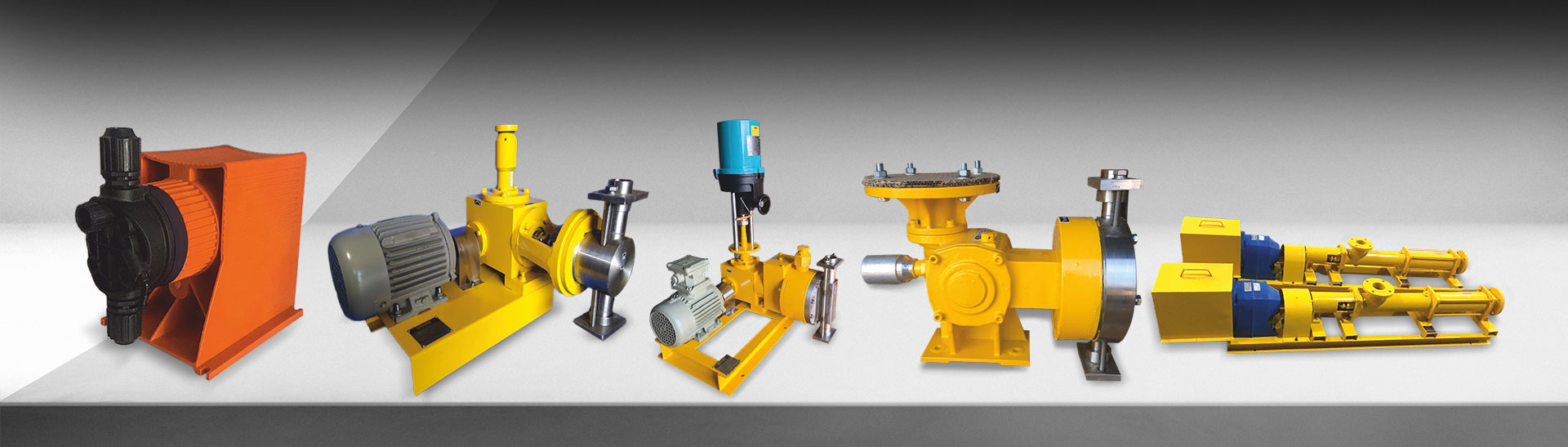
Dosing pumps play an essential role in modern food and beverage manufacturing. Precision and consistency are paramount in this manufacturing. Many ingredients must be added in exact amounts. These exact amounts maintain product quality, safety, and compliance with strict industry regulations. Dosing pumps are also called metering pumps or chemical dosing pumps. These dosing pumps deliver the accuracy needed for precise ingredient control. Precise ingredient control is vital for high-quality food and beverage production.
Importance of Dosing Pumps in the Food and Beverage Industry
Maintaining uniform taste, color, and quality is critical in food and beverage production. Dosing pumps allow manufacturers to control ingredient proportions down to micro-levels. Micro-level control ensures the desired consistency for each batch. Precisely metering fluids reduces waste. Reducing waste optimizes efficiency. There are 2 key benefits dosing pumps bring – reduced material costs and enhanced product quality. These benefits make dosing pumps integral to any production process requiring accurate ingredient measurement.
Applications of Dosing Pumps in Food and Beverage Production
Dosing pumps serve 6 major application areas in food and beverage production, including flavoring, preservation, fortification, carbonation, sanitation, and specialized processing.
Flavoring and Coloring Additives
Dosing pumps add flavors and colors in controlled amounts in products such as soft drinks, dairy, and confectionery. Controlled amounts ensure the product’s taste and appearance remain uniform across batches.
Preservatives and Acidity Control
Preservatives and acidity regulators are commonly added to extend shelf life and maintain stability. Dosing pumps enable precise dispensing of these preservatives and regulators. Precise dispensing meets regulatory standards and prevents spoilage.
Nutrient and Vitamin Fortification
Manufacturers often add vitamins, minerals, or other nutrients for health-oriented foods and beverages. Dosing pumps ensure the correct levels of fortification without affecting flavor. Correct fortification levels are critical for nutritional labeling compliance.
Carbonation and Syrup Dispensing
Carbonated beverages require the accurate addition of syrup and carbonation. Dosing pumps ensure each drink has the right sweetness and fizz. Right sweetness and fizz levels are essential for consumer satisfaction and brand consistency.
CIP and SIP Chemical Dosing
Food plants require regular cleaning and sterilization of all process lines. Dosing pumps precisely meter CIP (Clean-in-Place) chemicals such as caustic soda and nitric acid. CIP chemicals, along with SIP (Sterilize-in-Place) agents such as peracetic acid and steam condensate, ensure hygiene without manual intervention or chemical overdose.
Dairy, Brewing, and Edible Oil Applications
Dosing pumps handle 3 distinct processing environments – dairy, brewing, and edible oil refining.
In dairy processing, dosing pumps handle lactic acid cultures, hydrogen peroxide for packaging sterilization, and CIP chemicals. In brewing and fermentation, dosing pumps dose enzymes, yeast nutrients, and pH adjusters. In edible oil refining, dosing pumps manage phosphoric acid for degumming, caustic soda for neutralization, and antioxidants such as TBHQ for shelf life extension.
Let’s see a simple table for the application area, why a specific type of dosing pump is used and some common Indian industry examples.
| Application Area | What Is Dosed | Why Dosing Pump Is Used | Indian Industry Example |
|---|---|---|---|
| Soft Drinks and Carbonated Beverages | Syrup, citric acid, sodium benzoate, CO2 injection | Precise Brix ratio maintenance, carbonation level control | Coca-Cola India, Parle Agro, Bisleri plants |
| Dairy Processing | Hydrogen peroxide (packaging sterilisation), lactic acid cultures, CIP chemicals | Micro-level accuracy required for product safety | Amul, Mother Dairy, Nandini cooperative dairies |
| Brewing and Fermentation | Enzymes, yeast nutrients, pH adjusters (phosphoric acid) | Fermentation outcome depends on exact dosing ratios | United Breweries, Radico Khaitan, craft breweries |
| Packaged Water and Beverages | Chlorine, ozone, fluoride (as per FSSAI limits) | FSSAI mandates strict ppm limits for disinfectants | Kinley, Aquafina, local packaged water units |
| Edible Oil Refining | Phosphoric acid (degumming), caustic soda (neutralisation), antioxidants (TBHQ, BHA) | Overdose damages product; underdose leaves impurities | Adani Wilmar, Ruchi Soya, Marico plants |
| Bakery and Confectionery | Flavour essences, liquid glucose, liquid lecithin, permitted colours | Batch consistency for FMCG product uniformity | Britannia, Parle Products, ITC foods |
| Ready-to-Eat Meals (RTE) | Sauce dosing, marinade injection, preservative dosing | Portion accuracy for nutritional labelling compliance | ITC Kitchens of India, Haldiram’s, MTR Foods |
| CIP and Sanitation | Caustic soda, nitric acid, peracetic acid, sanitisers | Food plant hygiene – FSSAI Schedule 4 compliance | All FSSAI-licensed food processing plants in India |
Types of Dosing Pumps Commonly Used in the Food and Beverage Industry
1. Peristaltic Pumps
Peristaltic pumps are known for their gentle pumping action. These pumps are often used for food-grade applications requiring sanitary conditions. Peristaltic pumps prevent contamination and are ideal for dispensing viscous and shear-sensitive fluids. The flexible tube is the only part that contacts the product. Contacting only the tube makes cleaning simple and eliminates cross-contamination risk between batches.
- Common food materials: Liquid glucose, fruit pulp, yoghurt cultures, liquid chocolate, aloe vera gel
2. Diaphragm Pumps
Diaphragm dosing pumps are valued for their high precision and durability. These dosing pumps are suitable for handling abrasive or viscous additives in food processing. Diaphragm pumps come in 2 variants – mechanically actuated and hydraulically operated.
Mechanically actuated diaphragm pumps use a motor-driven mechanism to flex the diaphragm. Flexing the diaphragm suits medium-flow dosing of flavouring agents, preservatives, and food-grade acids at ±1% accuracy. Hydraulically operated diaphragm pumps use hydraulic oil to drive the diaphragm. Driving the diaphragm hydraulically offers ±0.5% accuracy for high-pressure ingredient injection and syrup dosing. Both variants support CIP and SIP. Supporting CIP and SIP is a mandatory requirement under HACCP and FSSAI guidelines.
- Common food materials: Citric acid, sodium benzoate, liquid flavor concentrates, sugar syrup, brine solutions
3. Piston and Plunger Pumps
Piston and plunger pumps are preferred for high-pressure applications. These pumps handle viscous materials like syrups and other concentrated ingredients. Their precise stroke action suits high-viscosity dosing where accuracy and back-pressure resistance are critical. Back-pressure resistance is necessary in discharge pressures exceeding 10 bar, common in carbonated beverage lines and high-concentration dosing systems.
- Common food materials: Tomato paste, mango concentrate, molasses, liquid jaggery, fruit concentrates
4. Electronic Metering Pumps
Electronic metering pumps are controlled via solenoid or stepper motor. These pumps allow precise adjustment of flow rate through a digital interface or PLC signal. Precise flow rate adjustment makes them ideal for automated lines requiring micro-dosing of additives, vitamins, and permitted food colors. Adjusting stroke frequency synchronizes flow rate with production line speed.
- Common food materials: Vitamin C solution, beta-carotene, permitted food colors (INS 102, INS 110), potassium sorbate, liquid stevia
5. Progressive Cavity Pumps
Progressive cavity pumps use a helical rotor inside a stator. This rotor-stator mechanism delivers smooth, pulsation-free flow suited for food products containing solid particles, fibers, or chunks. Pulsation-free flow handles a wide viscosity range without significant change in flow rate. This consistent flow makes progressive cavity pumps reliable upstream of sensitive flow meters and filling machines.
- Common food materials: Jam with fruit pieces, pickle brine, coconut milk with pulp, chutney, vegetable slurries
Each pump type offers specific benefits and suits particular applications within the food and beverage industry, based on requirements like pressure, flow rate, and fluid characteristics.
Let’s see how each pump type can be installed based on the fluids and the food materials with typical accuracy range.
| Pump Type | How It Works | Best For in F&B | Food Material Examples | Typical Accuracy |
|---|---|---|---|---|
| Peristaltic Pump | Squeezes flexible tube to push fluid forward | Viscous fluids, shear-sensitive ingredients, hygiene-critical lines | Liquid glucose, fruit pulp, yoghurt cultures, liquid chocolate, aloe vera gel | ±1% to ±2% |
| Mechanically Actuated Diaphragm | Motor-driven diaphragm flexes to move fluid | Flavouring, preservatives, acids – medium flow | Citric acid, sodium benzoate, liquid flavour concentrates, acetic acid (vinegar), phosphoric acid | ±1% |
| Hydraulically Operated Diaphragm | Hydraulic oil drives diaphragm – higher pressure capability | High-pressure ingredient injection, syrups | Sugar syrup, corn syrup, liquid caramel, brine solutions, high-concentration fruit syrups | ±0.5% |
| Piston / Plunger Pump | Piston moves back and forth in a cylinder | High-viscosity syrups, concentrates, high pressure lines | Tomato paste, mango concentrate, molasses, peanut butter, liquid jaggery | ±0.5% |
| Electronic Metering Pump | Solenoid or stepper motor drives diaphragm electronically | Precise micro-dosing of additives, vitamins, colours | Vitamin C solution, beta-carotene, permitted food colours (INS 102, 110), potassium sorbate, ascorbic acid | ±1% |
| Progressive Cavity Pump | Helical rotor inside a stator moves fluid smoothly | Chunky or particulate food products, slurries | Tomato chunks, pickle brine with seeds, jam with fruit pieces, coconut milk with pulp, chutney | ±2% |
Compliance and Sanitary Standards
Food and beverage production requires strict adherence to regulatory standards. These regulatory standards ensure consumer safety. Dosing pumps used in this industry must meet food-grade standards set by authorities such as the FDA. FDA standards, along with CIP and SIP capabilities, help prevent cross-contamination. Preventing cross-contamination ensures pumps can be easily cleaned and sterilized between batches.
Food-Grade Materials: SS316L, PTFE, and EPDM
Wetted parts in dosing pumps must be non-reactive with food ingredients. There are 3 primary food-grade materials used – SS316L stainless steel, PTFE, and EPDM rubber.
- SS316L stainless steel offers corrosion resistance for acids and salts.
- PTFE (Teflon) linings handle aggressive chemicals without leaching.
- EPDM rubber seals are compatible with hot water, steam, and a wide range of food-grade cleaning agents.
All 3 materials comply with FDA 21 CFR and FSSAI food contact material norms.
FSSAI Compliance for Food Plants in India
In India, all equipment in direct contact with food must comply with FSSAI (Food Safety and Standards Authority of India) Schedule 4. FSSAI Schedule 4 specifies permitted materials for food contact surfaces. Dosing pumps used in FSSAI-licensed plants must use approved materials and support CIP/SIP cleaning. Supporting CIP/SIP cleaning means being part of a documented HACCP (Hazard Analysis Critical Control Points) plan where dosing accuracy is identified as a critical control point.
| Standard / Certification | What It Covers | Relevance to F&B Dosing Pumps | Mandatory or Voluntary in India |
|---|---|---|---|
| FSSAI (Food Safety and Standards Authority of India) | Food contact materials, additives, hygiene | Pump wetted parts and CIP chemicals must comply with FSSAI food contact norms | Mandatory for all food plants in India |
| FDA (US Food and Drug Administration) | 21 CFR standards for food contact materials | Required if exporting to USA or supplying MNC food plants in India | Voluntary in India – required for exports |
| EHEDG (European Hygienic Engineering) | Hygienic design of food equipment | Ensures pump design prevents microbial contamination – relevant for dairy, RTE | Voluntary – increasingly demanded by European buyers |
| HACCP (Hazard Analysis Critical Control Points) | Food safety management system | Dosing accuracy is a critical control point for additive and sanitiser dosing | Mandatory for FSMS in India under FSSAI |
| BIS IS 2062 / IS 4503 | Indian standards for pumps and pressure vessels | Relevant for pump construction and testing in India | Voluntary but expected for quality assurance |
| 3-A Sanitary Standards (USA) | Sanitary design for dairy equipment | Relevant for dairy plants and milk-based beverage producers | Voluntary – required for some export markets |
Advantages of Using Dosing Pumps in Food and Beverage Production
Dosing pumps deliver 4 key advantages in food and beverage production, including enhanced product quality, cost efficiency, operational efficiency, and environmental benefits.
Enhanced Product Quality
Consistent ingredient ratios mean the end product’s taste, appearance, and nutritional value remain uniform across batches. Uniform batches ensure a reliable consumer experience.
Cost Efficiency
Dosing pumps reduce ingredient waste by delivering precise amounts. Delivering precise amounts minimizes losses of costly ingredients like flavors, colorants, and vitamins.
Operational Efficiency
Automation in dosing systems reduces the need for manual measurements. Reducing manual measurements minimizes the potential for human error. Lower human error enhances productivity in high-volume production lines.
Environmental Benefits
Optimizing ingredient use contributes to sustainability goals by reducing waste. Reducing waste cuts down on overuse of ingredients. Cutting overuse lowers a facility’s environmental impact.
Why Choose Verito Engineering?
At Verito Engineering, we design and manufacture precision dosing pumps and complete dosing systems specifically engineered for the food and beverage industry. From electronic metering pumps to mechanically actuated diaphragm and progressive cavity screw pumps, our portfolio is built to handle food-grade liquids with the accuracy, hygiene, and durability client’s production line demands.
- Food-grade materials: SS316L, PTFE-lined, EPDM-sealed options
- CIP and SIP compatible designs for easy in-line cleaning
- Custom dosing systems tailored to system’s flow rate, pressure, and viscosity requirements
- Manufactured in India | Exported to 25+ countries | ISO-certified
- Dedicated application engineering support from inquiry to commissioning
Whether a client needs a standalone dosing pump or a fully integrated dosing skid for their food processing plant, Verito Engineering has the expertise and the manufacturing depth to deliver on time and on spec.
Talk to our dosing specialists today: [email protected] | +91 76005 52286
Explore our dosing pumps: www.veritoengineering.com/dosing-pump.php
FAQs
What is a dosing pump in the food industry?
A dosing pump is a precision positive displacement pump that injects exact volumes of additives, preservatives, flavours, or chemicals into food and beverage products during manufacturing.
What is the difference between a dosing pump and a metering pump?
They are the same thing. The terms dosing pump and metering pump are used interchangeably in the industry. Both describe a pump that delivers a measured, repeatable volume of liquid.
Which type of dosing pump is best for food and beverage applications?
For most F&B applications, diaphragm dosing pumps are preferred because of their accuracy, CIP/SIP compatibility, and food-grade material options. For viscous products like syrups, plunger or progressive cavity pumps are better suited.
What is CIP and SIP compatibility in dosing pumps?
CIP means the pump can be cleaned without dismantling by circulating cleaning chemicals through it. SIP means the pump can be sterilised in-line using steam or hot water. Both are essential for food safety compliance.
What food-grade materials are used in dosing pumps?
There are 4 common food-grade materials – SS316L stainless steel, PTFE (Teflon), EPDM rubber, and polypropylene. These materials resist corrosion, are non-reactive with food ingredients, and meet FSSAI and FDA norms.
What are the FSSAI requirements for dosing pumps used in food plants in India?
FSSAI requires that all equipment in contact with food use food-safe materials that do not leach chemicals or contaminate the product. Dosing pumps must comply with FSSAI Schedule 4, which specifies permitted materials for food contact surfaces.
How do I calculate the flow rate of a dosing pump?
Use the formula Q = V x n, where Q is flow rate (L/hr), V is stroke volume (L), and n is strokes per hour. A stroke volume of 10 ml at 60 strokes per hour gives a flow rate of 0.6 L/hr.
What is the accuracy of a dosing pump?
Most industrial dosing pumps achieve accuracy of ±0.5% to ±2% of the set dose. Hydraulic diaphragm pumps and plunger pumps offer ±0.5% accuracy. Peristaltic pumps typically offer ±1% to ±2%.
Can dosing pumps handle viscous food liquids like syrups and pastes?
Yes. Plunger pumps and progressive cavity pumps are specifically designed for high-viscosity fluids. Progressive cavity screw pumps are the best choice for very thick pastes, providing smooth, pulsation-free flow.
How do I choose a dosing pump for my food processing plant?
Evaluate 7 key parameters – required flow rate (L/hr), discharge pressure (bar), fluid viscosity (cP), chemical compatibility of wetted parts, required accuracy (%), control method (manual or PLC), and hygiene standard (CIP/SIP). Consult Verito Engineering for a tailored selection.